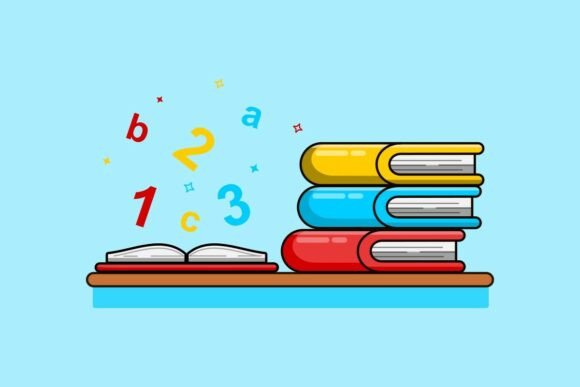
Books and Numbers Educational: A Visual Guide
In the crowded landscape of educational resources, capturing a child's attention is often half the battle. Books and Numbers Educational addresses this challenge not through text alone, but through a vibrant visual language that merges literacy and numeracy into a single, cohesive experience. This design asset represents more than just an illustration; it is a strategic tool for educators, parents, and content creators aiming to make learning feel like play. By combining stacked books with bold, clear numbers, the composition creates a scene that invites curiosity while maintaining the structural clarity needed for effective instruction.
The Visual Language of Learning
At its core, Books and Numbers Educational utilizes a clean cartoon flat vector style. This aesthetic choice is deliberate. Flat design strips away unnecessary gradients and complex textures, leaving behind smooth shapes and vibrant, balanced colors that resonate immediately with young audiences. The personality of the artwork is cheerful yet organized, reflecting the dual nature of early education: the joy of discovery and the structure of academic concepts.
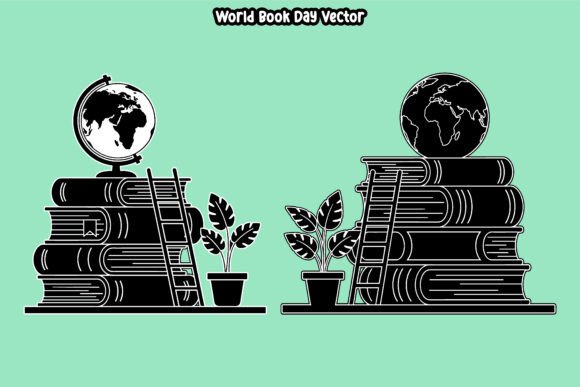
When you examine the composition, you notice how the stacked books serve as a metaphor for building knowledge. They are not merely props; they anchor the image, providing a sense of stability. Paired against these are large, distinct numbers that pop against the background without overwhelming the viewer. This balance is crucial in editorial design for children, where visual hierarchy must guide the eye from the most important element—the concept being taught—to the supporting details. The use of a modern typography approach within the illustration ensures that even when text is integrated, it remains legible and inviting, avoiding the stiffness often found in traditional academic materials.
Strategic Applications Across Media
The versatility of Books and Numbers Educational makes it a valuable asset for a wide range of projects. For publishers creating workbooks or storybooks, this illustration serves as an excellent chapter header or cover element. It sets a tone of fun before a single word is read, lowering the barrier to entry for reluctant learners. In the realm of web design, the clean lines and scalable nature of the vector format ensure that the image looks crisp on everything from high-resolution desktop monitors to mobile devices.
Marketers and social media managers can leverage this imagery to create engaging posts for schools, tutoring centers, or educational toy brands. When used in social media graphics, the bright colors stop the scroll, while the clear subject matter communicates the brand's focus on education instantly. Furthermore, small business owners selling craft kits or homeschooling supplies can incorporate this art into their packaging design. It signals quality and thoughtfulness, suggesting that the product inside is designed with the child's engagement in mind.
Even in logo design for educational startups, elements inspired by this style can convey a brand identity that is both professional and approachable. Unlike a rigid serif font or a overly decorative script font, the playful geometry of this illustration suggests a brand that understands modern pedagogy. It bridges the gap between serious academic goals and the playful spirit of childhood.
Enhancing Readability and Engagement
One of the primary functions of any educational material is readability. While Books and Numbers Educational is primarily an illustration, its design principles directly influence how information is processed. The bold numbers act as visual anchors, helping children associate quantities with physical objects (the books). This multisensory approach aids memory retention. In contrast to a generic handwritten font or a dense block of text, this visual pairing breaks down complex math concepts into digestible, friendly chunks.
The impact on audience engagement cannot be overstated. Children are visually driven; if a page looks boring or intimidating, they disengage. The vibrant, balanced colors in this design stimulate interest without causing sensory overload. For adults—teachers and parents—the clean layout reduces cognitive load, making it easier to explain concepts quickly. This dual benefit ensures that the material works effectively for both the learner and the instructor.
Practical Guidance for Designers and Creators
Integrating Books and Numbers Educational into your workflow requires a few practical considerations. First, evaluate the project fit. Is the tone of your brand consistent with this playful, cartoon style? If you are designing a formal university thesis, this might be too whimsical. However, for K-12 education, early childhood development, or family-oriented marketing, it is an ideal match.
When testing font pairings alongside this illustration, opt for sans serif fonts that mirror the clean lines of the vector art. A rounded sans serif typeface often complements the smooth shapes of the books and numbers, creating a harmonious look. Avoid overly ornate serif fonts or aggressive display fonts that might clash with the gentle nature of the illustration. The goal is consistency in brand identity; every element should feel like it belongs together.
Reviewing the included file formats is also essential for technical flexibility. The availability of SVG and EPS files means you can scale the artwork to any size without losing quality, which is vital for large-format printing like posters or banners. JPG and PNG formats offer convenience for digital use, ensuring quick loading times on websites and apps. Always check the commercial licensing terms to ensure you have the right to use the asset for your specific business needs, whether that is a one-time print run or an ongoing digital campaign.
Final Thoughts on Design Assets
Choosing the right design assets is about more than aesthetics; it is about communication. Books and Numbers Educational succeeds because it speaks the language of its audience fluently. It transforms the abstract concepts of reading and counting into something tangible and exciting. Whether you are a blogger writing about parenting tips, a publisher launching a new series, or a designer crafting a school presentation, this illustration offers a reliable way to connect with your audience. By prioritizing clarity, color, and character, it turns the act of learning into a visual journey that everyone wants to take.