Shaping Little Minds: A Visual Asset for Early Education Workflows
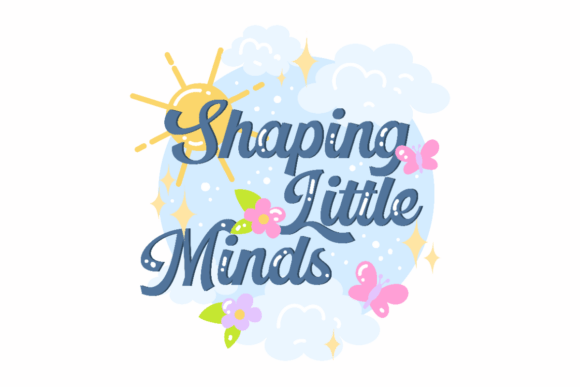
The phrase Shaping Little Minds encapsulates the core mission of early childhood education, representing the delicate and profound influence educators have on young learners. In the professional landscape of teaching, nursery management, and educational product design, this concept is more than a slogan; it is a foundational principle that guides curriculum development, classroom environment design, and teacher recognition programs. When translated into a visual asset, such as the dreamy sky design featuring fluffy clouds, a bright sun, and blooming spring flowers, it becomes a versatile tool for professionals aiming to communicate warmth, growth, and gentle guidance.
For educators, entrepreneurs, and creators, integrating high-quality graphics like the Shaping Little Minds design into their workflow requires understanding its specific applications across different stages of a project. Whether used as physical wall art in a preschool, a digital cover for a teaching portfolio, or a cut file for custom merchandise, this asset serves as a bridge between abstract educational values and tangible, aesthetic outcomes. The process of selecting, adapting, and implementing such designs involves careful planning regarding format compatibility, resolution requirements, and the intended emotional impact on the audience.
Defining the Role of Visual Assets in Educational Planning
In the broader context of educational planning, visual assets are not merely decorative; they are functional components of the learning environment. The Shaping Little Minds graphic, with its specific elements of a dreamy sky and spring flowers, is designed to evoke a sense of calm and optimism. This aligns with current pedagogical theories that emphasize the importance of sensory-rich, soothing environments for early childhood development. When educators plan a new classroom setup or refresh an existing space, the selection of wall art is a critical decision point that impacts the overall atmosphere.
This design fits into the pre-project phase where stakeholders define the thematic identity of a learning space. Before purchasing materials or finalizing a budget, teachers and administrators must determine the visual language that best supports their educational philosophy. The imagery of blooming flowers and a bright sun suggests renewal and potential, making it an ideal choice for nurseries and preschools focused on holistic growth. By incorporating this specific aesthetic early in the planning stage, professionals ensure consistency between their verbal messaging and the visual cues present in the room.
Furthermore, for freelancers and small business owners creating educational resources, this graphic serves as a central element in branding. It can be integrated into lesson plans, newsletters, and marketing materials to create a cohesive brand identity. The workflow here involves assessing how the image interacts with other text and graphical elements to maintain readability and visual hierarchy. The goal is to ensure that the Shaping Little Minds motif reinforces the brand's commitment to quality care without overwhelming the informational content.
Technical Implementation: File Formats and Compatibility
Successful implementation of the Shaping Little Minds design depends heavily on understanding the technical specifications of the available files. The package typically includes two distinct formats: a high-resolution PNG with a transparent background and an SVG vector file. Each format serves a different purpose within a professional workflow, requiring specific tools and preparation steps to utilize effectively.
Utilizing High-Resolution PNG Files
The PNG file is optimized for digital use and standard printing. Its transparency allows designers to overlay the graphic onto various backgrounds without unsightly white boxes, ensuring a seamless integration into digital portfolios, website headers, or social media posts. For educators preparing a teaching portfolio, this file can be used as a cover page in PDF documents or as a header in slide presentations. The high resolution ensures that the details of the clouds and flowers remain crisp when viewed on screens or printed at moderate sizes.
When working with the PNG, professionals should verify the pixel dimensions against their output requirements. For instance, if the image is intended for a large banner print, the resolution must be sufficient to avoid pixelation. In a digital workflow, this often involves opening the file in graphic design software to adjust opacity, add text overlays, or combine it with other assets. The flexibility of the transparent background makes it particularly useful for quick turnarounds where time efficiency is paramount.
Leveraging SVG Files for Cutting Machines
The SVG (Scalable Vector Graphics) file is essential for physical production using cutting machines like Cricut or Silhouette. Unlike raster images, vectors are mathematically defined, allowing them to be scaled to any size without losing quality. This makes the Shaping Little Minds design ideal for creating vinyl decals, iron-on transfers, or intricate paper crafts. The workflow for this format involves importing the SVG into the machine's companion software, where users can manipulate individual layers, change colors, and prepare the design for cutting.
For entrepreneurs selling teacher gifts or nursery decor, the SVG file expands the range of possible products. It enables the creation of personalized items such as mugs, tote bags, and wooden signs. The process requires attention to detail during the "weeding" phase—removing excess material from the cut design—and proper application techniques to ensure durability. Understanding the capabilities of the SVG format allows creators to produce high-quality, scalable products that maintain the integrity of the original artistic vision.
Strategic Applications Across Professional Scenarios
The versatility of the Shaping Little Minds design allows it to be deployed at various stages of professional activities, from initial concept to final delivery. Its adaptability makes it a valuable resource for diverse roles, including classroom teachers, educational consultants, and creative freelancers.
- Nursery Wall Art: In the execution phase of classroom decoration, this design acts as a focal point. It can be printed on canvas or framed as a poster to reinforce the theme of growth. The placement of the art should consider sightlines and lighting to maximize its visual impact on children and parents alike.
- Teacher Gifts: During the holiday season or end-of-year celebrations, this graphic serves as the basis for appreciation gifts. Creators can use the SVG file to cut vinyl for t-shirts or water bottles, adding a personal touch that acknowledges the hard work of educators. The process involves selecting appropriate base materials and ensuring the design adheres well to the surface.
- Teaching Portfolios: For professionals compiling their achievements, the PNG file provides a polished look for digital submissions. It can be used as a section divider or a cover image to organize content logically. This application supports the long-term goal of career advancement by presenting a professional and thoughtful image.
- Marketing Materials: Small business owners in the education sector can integrate the design into brochures and flyers. Consistency in using this visual asset helps build brand recognition and trust among clients seeking early education services.
Workflow Integration and Quality Control
Integrating the Shaping Little Minds design into a workflow requires a systematic approach to ensure quality and consistency. Preparation is key; before beginning any project, professionals should review the license terms and technical specs to avoid compatibility issues. Organizing digital assets in a structured folder system prevents version control errors and streamlines the retrieval process for future projects.
Efficiency is achieved by mastering the tools associated with each file type. For digital tasks, familiarity with layer management in design software speeds up the editing process. For physical crafting, calibrating cutting machines correctly reduces waste and rework. Quality control measures, such as checking color accuracy on test prints or verifying cut lines on scrap material, should be standard practice before committing to the final product.
Long-term use of this asset depends on its ability to remain relevant and adaptable. While the core imagery of clouds, sun, and flowers is timeless, the way it is applied can evolve with trends. Professionals should document successful implementations and gather feedback to refine their usage over time. This iterative process ensures that the Shaping Little Minds design continues to serve its purpose effectively, whether in a bustling preschool hallway or a sleek digital presentation.
Ultimately, the value of this design lies in its ability to translate the abstract concept of early education into a concrete, beautiful reality. By understanding the technical nuances and strategic applications, professionals can leverage this asset to enhance their workflows, improve their outputs, and celebrate the vital role of shaping young minds.