Bubbly Line: A Practical Guide to Implementing a Cute Handwritten Doodle Font
In the realm of digital design, typography is often treated as a functional necessity rather than a strategic asset. However, for creators working in education, youth marketing, and lifestyle branding, the choice of typeface dictates the emotional temperature of a project. The Bubbly Line font represents a specific intersection of nostalgia and modern utility. It is not merely a decorative script; it is a tactile tool designed to simulate the warmth of handcrafted materials within a digital workflow. Understanding how to integrate this unique typeface into your production process requires looking beyond its aesthetic appeal and examining its role in communication strategies, brand consistency, and user engagement.
Defining the Role of Bubbly Line in Creative Workflows
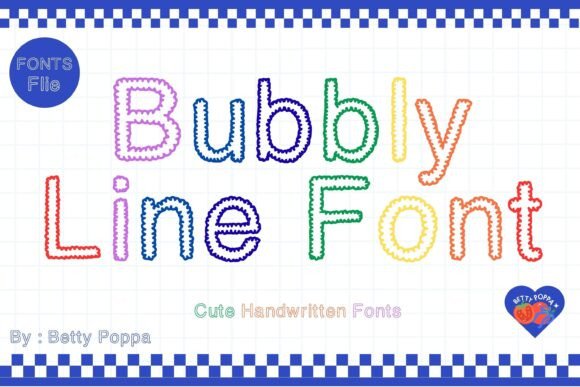
The Bubbly Line typeface is characterized by its distinctive "stitched" or textured outline. This visual texture mimics the look of letters carefully embroidered on fabric or drawn with a fine-tipped marker on rough paper. For professionals managing multiple projects, selecting a font is rarely about finding something that simply "looks nice." It is about identifying an asset that solves a specific communication problem. In this context, Bubbly Line serves as an immediate signal of approachability, playfulness, and safety.
When you introduce this font into a design system, you are effectively setting the tone for the entire interaction. Unlike rigid sans-serifs that convey corporate authority or traditional serifs that suggest academic formality, Bubbly Line lowers the barrier to entry. It tells the viewer that the content is friendly, accessible, and human-centric. This makes it particularly valuable in the early stages of a project where the goal is to capture attention without causing cognitive friction. Whether you are designing a landing page for a children's educational app or creating social media assets for a parenting influencer, the font acts as a visual hook that aligns with the psychological expectations of your target audience.
Strategic Integration Before Project Execution
Effective implementation begins before the first pixel is placed. When planning a creative campaign or a branding overhaul, the decision to use a doodle-style font like Bubbly Line should be made during the strategy phase. Ask yourself: Does the core message require a sense of whimsy? Is the primary audience composed of parents, educators, or young children? If the answer is yes, this typeface becomes a foundational element of your style guide.
Before moving into execution, consider the compatibility of Bubbly Line with your existing brand assets. Because of its intricate line work and rounded forms, it demands careful pairing. It does not compete well with other highly decorative fonts. Instead, the most efficient workflow involves pairing Bubbly Line with solid, bold sans-serifs. The clean lines of a geometric sans-serif provide a neutral background that allows the texture of the Bubbly Line characters to stand out as the focal point. This contrast ensures readability while maintaining the desired playful aesthetic.
Furthermore, preparation involves checking technical specifications. Ensure that the font file supports the character sets required for your project, including ligatures, alternate glyphs, and extended language support if necessary. In a professional environment, having a robust library of these variations prevents bottlenecks later in the production cycle when you need to customize headers or create multilingual content.
Implementation During the Design Process
Once the strategy is set and the assets are prepared, the actual application of Bubbly Line requires a focus on hierarchy and spacing. The "bouncy" nature of the font can sometimes lead to uneven baselines if not managed correctly. To maintain a professional standard, treat the font with the same discipline you would apply to any serious typographic element.
- Header Optimization: Use Bubbly Line primarily for headlines, pull quotes, and call-to-action buttons. Its high-energy vibe is perfect for grabbing attention, but using it for long paragraphs can reduce legibility due to the textured outlines.
- Color Strategy: The stitched effect of the font interacts uniquely with color. Solid, vibrant backgrounds enhance the "embroidered" look, making the text appear to pop off the screen. Conversely, placing it on complex patterns can muddy the visual texture. Stick to flat colors or subtle gradients to preserve clarity.
- Responsive Scaling: When adapting designs for mobile devices, test the font at various sizes. The intricate details of the Bubbly Line typeface may lose definition on smaller screens. You may need to increase the stroke weight slightly or switch to a simpler variant for body copy on mobile interfaces.
In workflows involving collaborative teams, such as agencies or large marketing departments, establish clear usage guidelines. Define exactly which elements should utilize Bubbly Line and which should rely on the supporting sans-serif. This prevents "design drift," where different team members interpret the style inconsistently, leading to a fragmented brand identity.
Use Cases Across Different Industries
The versatility of Bubbly Line extends across several sectors, each with specific requirements for implementation.
Education and Child Development
For educators and publishers, this font is a critical tool for engagement. Children's book illustrations, flashcards, and classroom posters benefit immensely from the soft, rounded edges that avoid sharp, intimidating angles. When creating learning materials, the font helps reduce anxiety and encourages interaction. It transforms a worksheet from a chore into an activity. In this workflow, consistency is key; using the same font across all student-facing materials builds familiarity and trust.
Small Business and Local Marketing
Entrepreneurs running nurseries, toy stores, or family-oriented services can leverage Bubbly Line to differentiate their brand. On social media platforms like Instagram and Pinterest, where visual storytelling is paramount, this font helps create graphics that feel handmade and personal. It bridges the gap between mass-produced digital content and the authenticity of a local craft business. Use it for event announcements, birthday promotions, and behind-the-scenes posts to foster a community feeling.
Digital Product Design
App developers and UI designers targeting families can use Bubbly Line to soften the interface of educational games or parental control dashboards. By applying the font to navigation labels or achievement badges, the product feels more inviting. However, usability testing is essential here. Ensure that the decorative nature of the font does not hinder the speed at which users can scan information.
Quality Control and Long-Term Consistency
Sustaining the quality of a design system over time requires regular audits. As your brand evolves, the way you use Bubbly Line might need adjustment. Periodically review your output to ensure the font is still serving its purpose and hasn't become overused to the point of diminishing returns.
Monitor the performance of your campaigns. If you notice that engagement drops on materials featuring this typeface, analyze whether the issue lies with the font itself or the surrounding design elements. Sometimes, the problem isn't the font but the lack of sufficient white space or poor color contrast. Adjusting these variables can often restore the effectiveness of the Bubbly Line aesthetic.
Additionally, keep an eye on licensing and legal compliance. If you are using this font for commercial projects, ensure you have the appropriate license that covers your specific use cases, such as web embedding, print runs, or merchandise. Neglecting this step can lead to significant legal complications down the line, disrupting your workflow and damaging your reputation.
Conclusion: Balancing Whimsy with Professionalism
The Bubbly Line font offers a powerful way to inject personality and warmth into digital communications. However, its success depends on thoughtful integration into a broader strategic framework. By treating it as a functional component of your design workflow—rather than just a decorative afterthought—you can maximize its impact. From the initial planning stages to final quality control, every decision regarding this typeface should be guided by the needs of your audience and the goals of your project. When executed with precision, Bubbly Line transforms ordinary content into an engaging, memorable experience that resonates with both children and adults alike.